Maybe it's been five years. Maybe it's been twenty. For a lot of people, what keeps them away isn't the cleaning itself but the fear of being judged when someone looks in their mouth. You're not alone in that. At Walnut Creek Dental East in Groveport, Dr. Pappas and our team see patients in your exact situation regularly, and the visit is almost always calmer than people expect.
This guide walks you through what actually happens at that first appointment back: what we look for, what we say, how we handle a long list of needed work, and how cost gets discussed before anything begins. No surprises, no pressure, no judgment.
Ready to talk it through first? Call us at (614) 864-2466 or send us a message and just say it's been a while. We hear that every week.
Before we walk through the details, here are the four things that matter most.
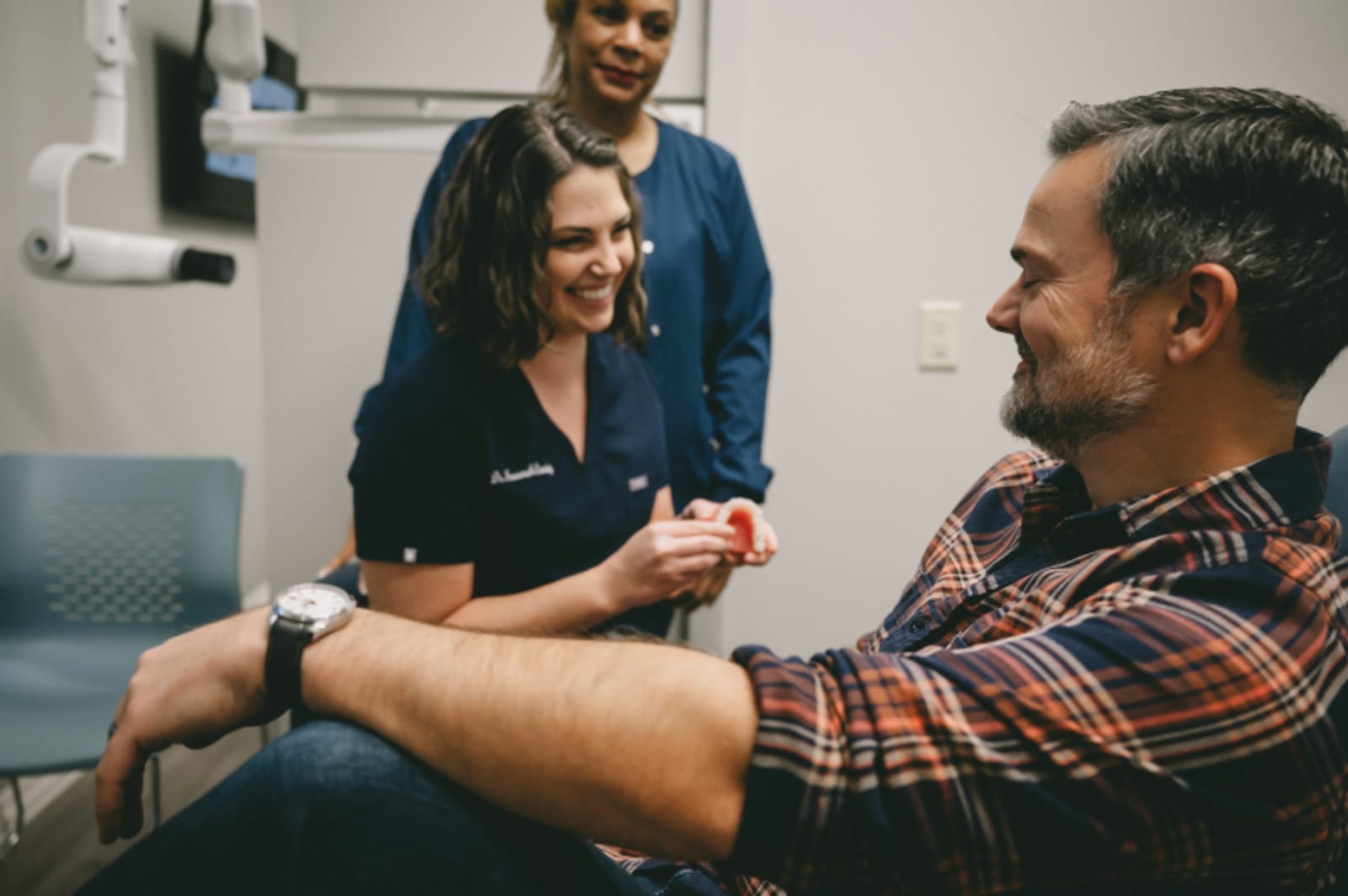
For most people, the real fear isn't the X-rays or the tools. It's the moment someone looks in your mouth and reacts. Our front desk, hygienists, and dentists have worked with patients who went a decade or longer without care. Nothing in your mouth will surprise us. Things like broken teeth, heavy tartar, or bleeding gums are clinical findings, not a reflection of your character. There are no lectures, no sighs, no questions about why it's been so long.
Your visit starts with one simple question: what's been bothering you? Maybe it's a tooth you've been avoiding for months. Maybe you just want someone to tell you where things stand. We're good with either. From there, we talk through what comes next, whether that's a cleaning, a filling, or a longer plan built in stages.
If a past experience left you anxious, tell us when you call or when you arrive. We can slow down, explain each step before we take it, and pause whenever you need a moment. You stay in control of the pace the entire time.
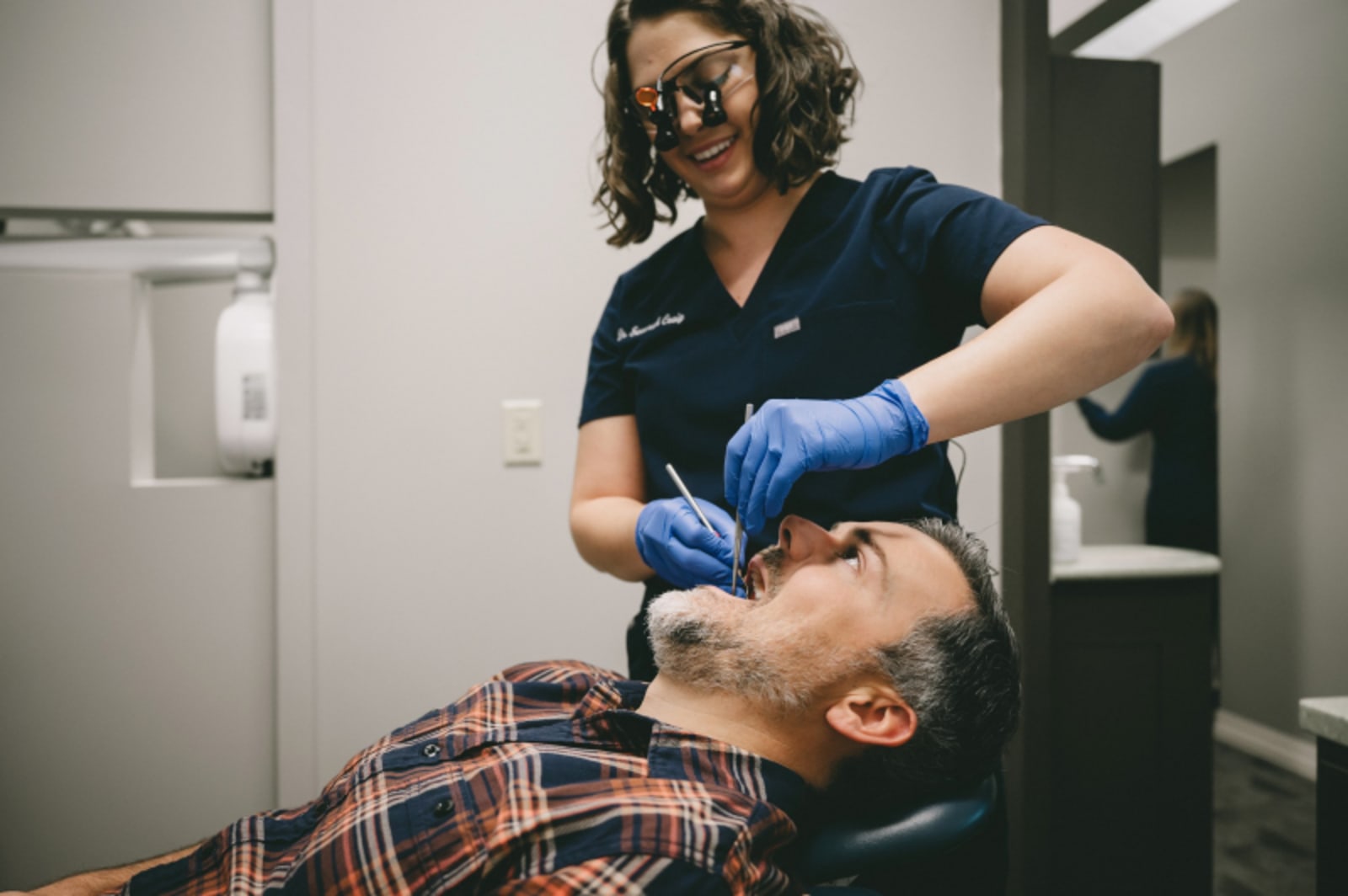
Not knowing what to expect is its own kind of stress. Here's the sequence, so you can picture it before you walk in.
Before we look at your teeth, we go through your health history. Conditions like diabetes and high blood pressure can affect your gums, and many common medications cause dry mouth, which speeds up decay. Your full medication list helps us see the whole picture.
Much of what changes during a long gap is invisible without imaging. X-rays show decay between teeth, infection at a root tip, bone loss, and the condition of older dental work. We pull them up on screen so you can see exactly what we see.
We check every tooth and measure the pockets around your gums. Deeper pockets signal gum disease, an infection of the tissue and bone that holds your teeth in place. It's common after years away and often painless until it's advanced. We also screen the soft tissue of your mouth and throat for oral cancer, which is part of every exam.
If your gums are healthy enough, we clean your teeth that same visit. If there's significant buildup below the gumline, we'll recommend a deeper cleaning with numbing to keep you comfortable. You can raise a hand and stop us at any point.
Once we're done, we walk through everything we found in plain language and explain what each finding means: address it now, keep an eye on it, or plan for later. Nothing gets scheduled until you understand why it's being recommended.
For a lot of patients, the real worry isn't the exam itself. It's that it ends with a list of twelve things and a number at the bottom that makes your stomach drop.
Catch-up care doesn't happen all at once. There's a clinical order to it, and we walk you through each step so nothing feels random or rushed.
You have real input into the pace. If you need the work spread across six months instead of six weeks, just say so. That's a common request, and it's far better than a plan that falls apart after the first appointment.
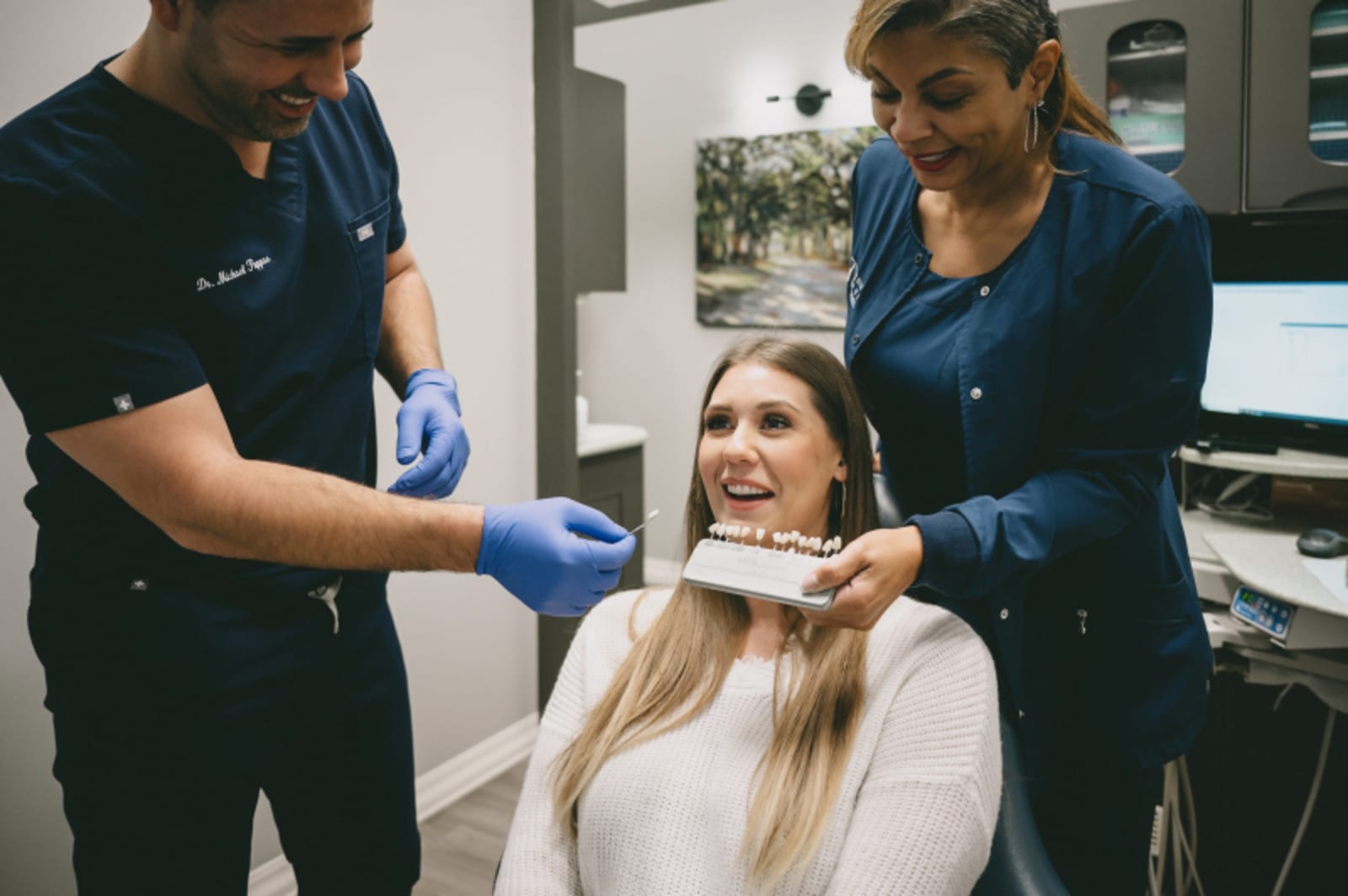
Cost is one of the biggest reasons people put off coming back, and we understand that. Once we know what you need, we sit down with you, walk through the estimate, and help you make sense of what your insurance is likely to cover. Dental insurance, Ohio Medicaid, and Medicare each work differently, and those differences can catch people off guard.
We want to build a plan you can actually stick to. Every number gets reviewed with you before any treatment begins, so you can make a decision that works for your life.
Most patients leave their first appointment feeling relieved but still wondering how long this is actually going to take. The honest answer depends on what we find, but a typical catch-up plan runs somewhere between two and six months. Here is how that usually breaks down.
Most patients are surprised by how manageable the process feels once it is broken into steps. The first visit is the hardest one to book. Everything after that tends to get easier.
It depends on how much buildup is present and how your gums are doing. If they're inflamed or sensitive, a cleaning can feel tender in spots. Just let us know before we start and we'll adjust from there. We can numb the area, split the cleaning across two visits, or simply slow the pace. Our dental cleaning appointments are built around what you can handle that day, not a fixed checklist.
Let us know when you call or when you arrive. We offer sedation options, including oral sedation and IV sedation for patients who need deeper relaxation. Many patients find that just knowing those options exist is enough to get them through the door. You won't be expected to push through discomfort on your own.
Yes, absolutely. The first visit is about gathering information, not making decisions. You'll leave with a clear picture of where things stand and a written treatment plan to review at home. Nothing gets scheduled until you're ready.
Some damage is permanent, and we won't pretend otherwise. But the more useful question is what's still savable, and that's almost always more than people expect. Teeth that feel hopeless are often restorable with a crown or root canal. If a tooth truly can't be saved, we have good options for replacing it and getting your bite back to full function.
For most people, making the call is the hardest part. Just tell us it's been a while, and our team will take it from there.
Walnut Creek Dental East is at 3803 South Hamilton Road in Groveport, with early mornings, evenings, and first and third Saturdays available to make it easier to get in. Call us at (614) 864-2466 or request an appointment online. We would love to hear from you.
Call 614-864-2466 or request an appointment online to set up your first visit. We’ll be in touch soon.